



since 1999
-
1999Since
-
6Branch Office
-
900Staff
-
200Annual Income
-
 Personal CareSurfactants are essential ingredients in personal care products, such as shampoos, body washes, facial cleansers, and toothpaste. They effectively remove oil, dirt, and impurities from the skin and hair while creating a rich lather for an enjoyable user experience. Additionally, surfactants act as emulsifiers and wetting agents, improving product stability and texture to meet various skin needs and functional requirements.
 -
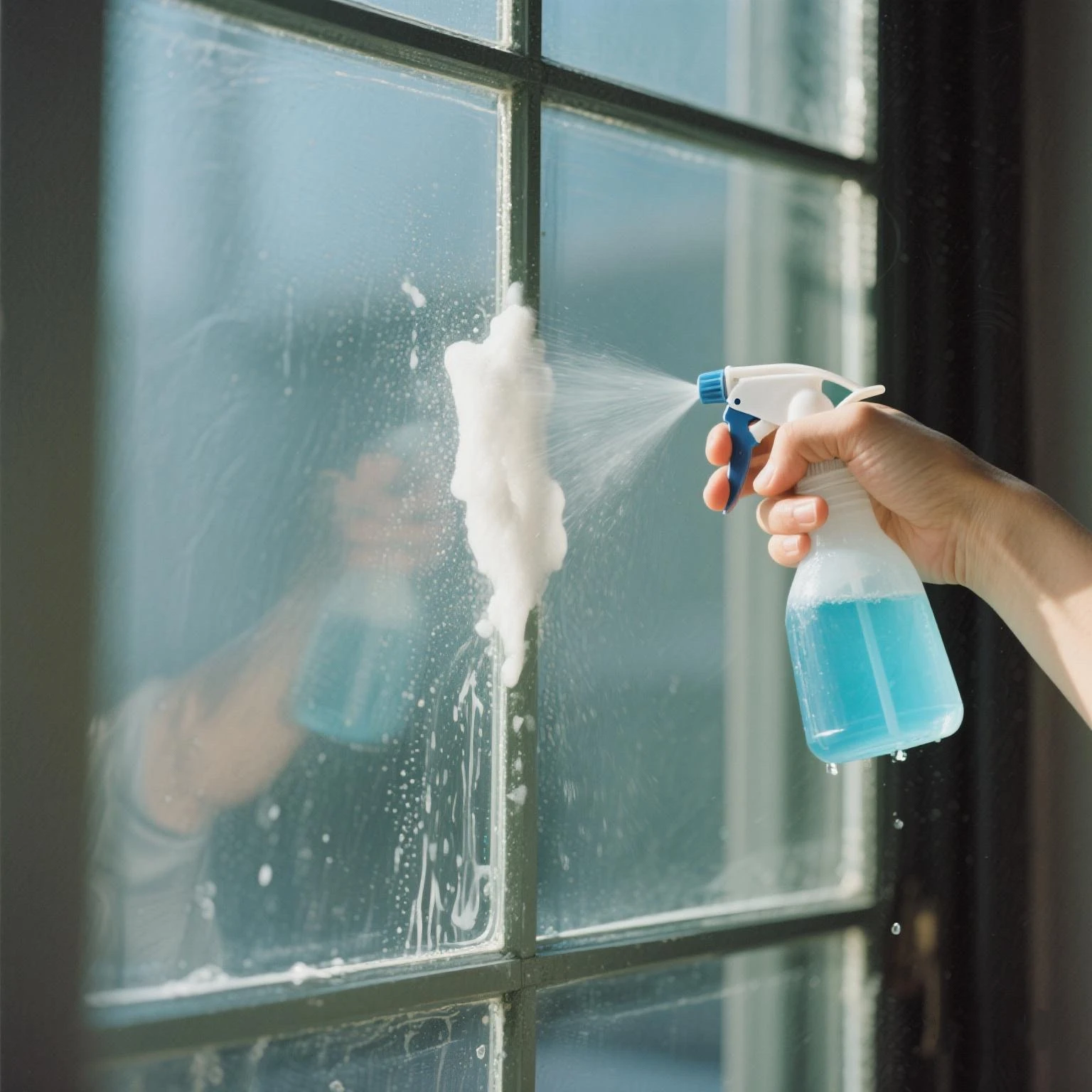 Home And I&i CleaningSurfactants are vital components in cleaning products for both household and industrial applications. They effectively break down grease, stains, and dirt, enhancing cleaning efficiency by reducing water's surface tension for deeper penetration. Whether for daily home cleaning or industrial equipment maintenance, surfactants deliver powerful and consistent performance. Their formulations can be customized to meet specific needs, such as degreasing, disinfection, or rust prevention.
 -
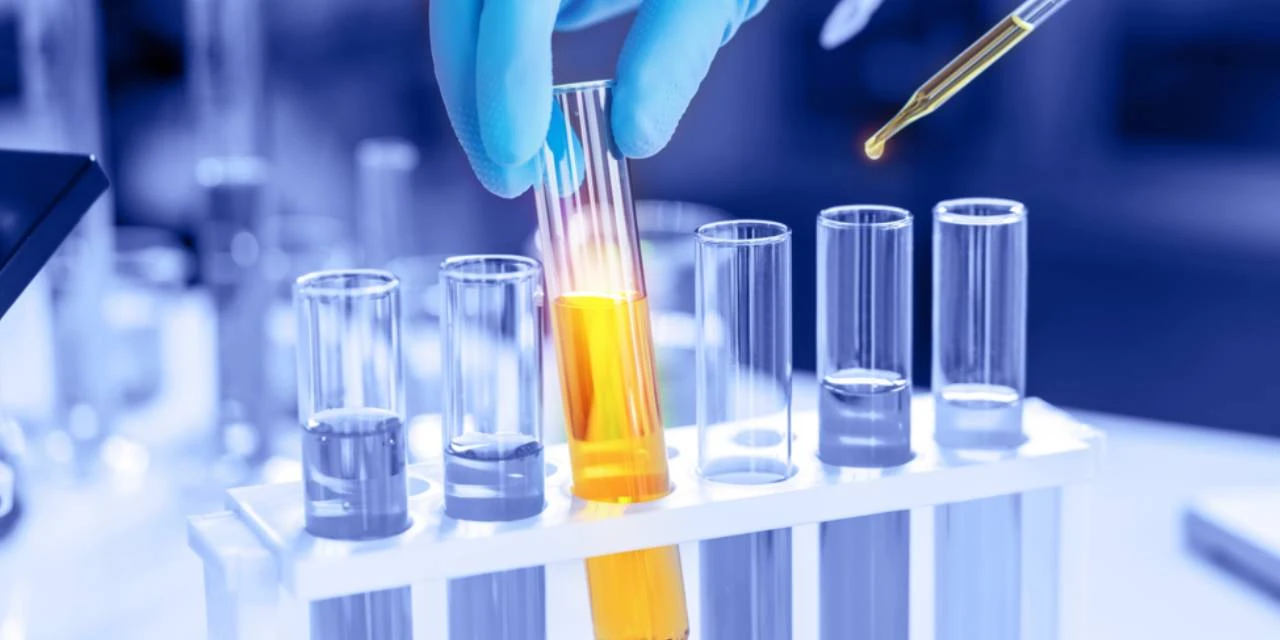
 PharmaceuticalPharmaceutical intermediates and APIs (Active Pharmaceutical Ingredients) are essential components in drug manufacturing. Intermediates serve as key building blocks for API synthesis, while APIs provide therapeutic effects in final dosage forms.
 -
 PolyurethanePolyurethane catalysts are used to accelerate foaming and gel reactions, enhancing production efficiency and product performance. It is mainly applied in fields such as furniture soft foam, automotive seats, building insulation materials and coatings.
request a quote
Complete Control Over Products Allows Us To Ensure Our Customers Receive The Best Quality Prices And Service.

“The cosmetic ingredients we purchased were top-notch in purity and consistency. Perfect for our skincare formulation line. Reliable supplier!”

Stefanie Rashford
“Their industrial cleaning agents have significantly improved our factory's sanitation process. Highly concentrated and very effective.”

Julia
“We sourced several APIs from this company and were very pleased with the documentation, quality, and prompt delivery.”

Thomas











Triazine Ring (CAS 290-87-9)-Hebei Hejia Pharmaceutical Technology Group Co., Ltd.|Agrochemicals&Pharmaceuticals: Introduction The Triazine Ring is a six-membered aromatic heterocyclic compound containing three nitrogen atoms. This versatile structure serves as a foundational framework in various chemical and pharmaceutical applications, including the synthesis of herbicides, resins, dyes, and biologically active molecules. Developed by Hebei Hejia Pharmaceutical Technology Group Co., Ltd. , the triazine ring
Hegrecat TEDA (Triethylene diamine) CAS:280-57-9 | High-Performance Catalyst: Introduction to Advanced Catalysis with Hegrecat TEDA In the highly specialized domain of polymer chemistry, particularly within polyurethane manufacturing, the efficiency and precision of catalysts are paramount. A key player in this arena is Triethylene diamine (TEDA), known for its robust performance as a polyurethane catalyst. Among the leading formulations, Hegrecat TEDA (Triethylene diamine)
Ceftezole Sodium API - High Purity GMP | CAS 72558-82-8: Ceftezole Sodium: real-world specs, sourcing tips, and what buyers quietly look for When buyers in hospital generics or CDMOs ask me what’s moving right now in first‑gen cephalosporins, I usually point at Ceftezole Sodium (CAS 72558-82-8). It’s not flashy, but it’s stable, very water‑soluble, and—crucially—friendly to injectable workflows. To be honest, supply reliability trumps buzzwords, and thi
High-Purity Active Esters & Redox Esters for Synthesis: Unlocking Global Partnerships: CPHI China and the Future of Pharmaceutical & Cosmetic Ingredients CPHI China stands as a pivotal global platform, an essential nexus for innovation, collaboration, and strategic sourcing within the pharmaceutical and fine chemical industries. As exhibitors converge, showcasing groundbreaking pharmaceutical intermediates, active pharmaceutical ingredients (APIs), and
Triazine Ring-CAS 290-87-9|Advanced Chemical Synthesis&Pharmaceutical Applications: Introduction to the Triazine Ring The Triazine Ring is a six-membered aromatic heterocyclic compound containing three nitrogen atoms. It serves as a foundational structure in various chemical and pharmaceutical applications, especially in the synthesis of herbicides, resins, dyes, and biologically active molecules. Its unique properties make it a critical component in modern chemistry, driving inn
High-Quality Triazine Ring Bulk Drug Intermediates Supplier: Comprehensive Industry Review from Molecular Structure to Pharmaceutical Manufacturing Expert Review by Hebei Hejia Pharmaceutical Technology R&D Team The triazine ring represents one of the most versatile heterocyclic compounds in modern pharmaceutical chemistry. As a six-membered aromatic ring composed of three nitrogen atoms and three carbon atoms, this molecular structure serves as the foundat


